College Park, MD · Prince George's County
HVAC Leak Water Removal in College Park, MDEmergency HVAC Leak Cleanup & HVAC Cabinet Water Extraction
HVAC Leak Water Removal in College Park covers HVAC cabinet water extraction, emergency HVAC leak cleanup, and wet insulation removal near HVAC.
Answered 24/7
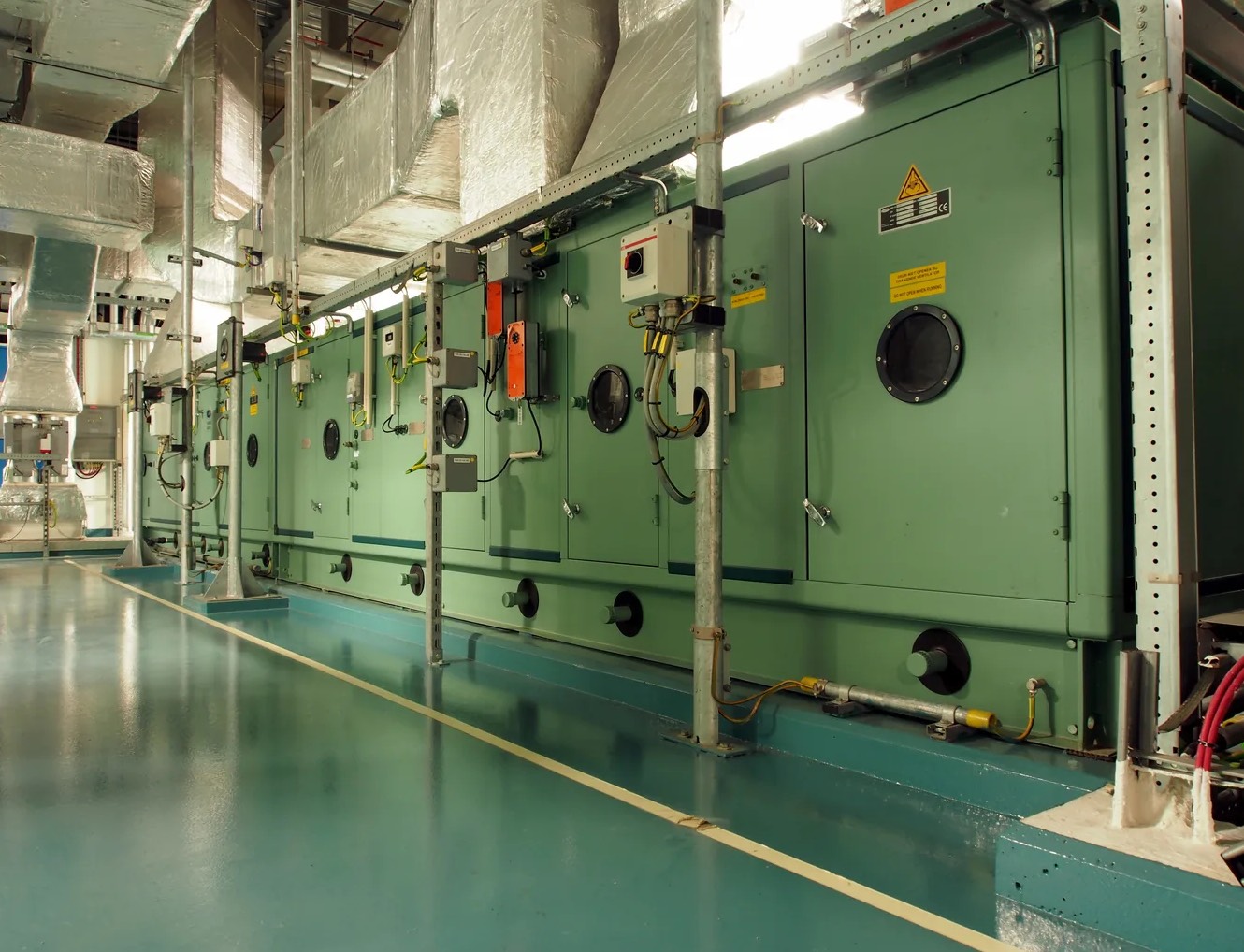
Local HVAC Leak Water Removal for College Park, Maryland
In College Park, an air conditioner can run most of the day in summer, and the condensate it makes has to go somewhere. When the drain fails, that water soaks insulation, rusts metal and wets the drywall nearby.
When an HVAC leak occurs in College Park, water needs to come out quickly to protect interior finishes and electrical systems. Local water removal pros serve this community and nearby areas like Hyattsville, East Riverdale and Bladensburg, extracting water around the unit and drying wet ductwork before damage spreads.
HVAC Leak Water Removal Services in College Park
Emergency HVAC Leak Cleanup
An actively dripping or flooding HVAC leak is an emergency. Immediate cleanup focuses on water extraction and setting up drying equipment.
HVAC Cabinet Water Extraction
Standing water in the cabinet rusts the pan, panels and fasteners. Getting it out early stops that, and the cabinet is dried before the system runs again.
Moisture Remediation for HVAC Systems
The job ends with a dry space and dry materials around the unit. Readings from the last day are recorded so you have proof the area is dry.
AC Condensate Leak Water Removal
An overflowing secondary pan from a blocked drain line creates a steady leak. The experts remove the water to protect the HVAC cabinet and subfloor.
Ductwork Condensation Water Removal
Cold air inside ducts meeting warm, humid air causes sweating and droplets. Condensation soaks insulation and damages ceiling materials.
Warning Signs You Need HVAC Leak Water Removal
Stained Ceilings or Walls Near Vents
Stains on drywall or ceilings around supply vents often trace back to ducts that are sweating or leaking.
Reduced Cooling or System Shutdown
An AC that shuts itself off may have a float switch that tripped because the drain pan is full of water.
Visible Rust on Metal Components
Rust forming on the evaporator coil cabinet, drain pan, or supports indicates prolonged moisture exposure.
AC Drain Line Overflowing
Water spilling from the condensate drain line or its overflow port means the drain is blocked and needs attention now.
How HVAC Leak Water Removal Works in College Park
Step 1: Water Containment
The leak is contained first, then extractors pull water out of the HVAC cabinet and off the floor around it.
Step 2: HVAC Component Damage Evaluation
Wet parts like the drain pan, coil area and controls are noted so an HVAC contractor knows what to check or replace.
Step 3: Structural Drying Protocol
Drying equipment targets wet walls, subfloor and insulation near the unit so damage does not spread.
Step 4: Air Quality Sanitization
Once everything is dry, the cabinet area and nearby surfaces are cleaned to remove odor and residue.
Typical Reasons for HVAC Leak Water Removal in College Park
Cracked or Disconnected Drain Pan
A damaged or misaligned secondary drain pan beneath the evaporator coil fails to catch condensation overflow.
Clogged Condensate Drain Line
Algae, sludge, or debris blocking the primary drain pipe causes water to back up into the HVAC cabinet.
High Static Pressure in Ducts
An oversized system or closed vents can upset airflow and drainage, so condensate does not drain as it should.
Obstructed Air Filter or Ducts
Badly restricted airflow lets frost build on the cold coil, and the water floods the pan when it melts.
HVAC Leak Water Removal for Homes & Businesses in College Park
Residential HVAC Leak Water Removal
In homes, an HVAC leak usually wets the ceiling under an attic unit or the walls and floor around the air handler closet. Wet insulation near the unit is removed so it does not hold water.
Commercial HVAC Leak Water Removal
In stores, offices and warehouses, leaks come from large air handlers, VAV boxes and ducts above the ceiling. The water is removed fast so the space can reopen.
When DIY Fails for HVAC Leak Water Removal in College Park
You can inspect the condensate drain line's outside termination for blockages. Gently pouring distilled vinegar down the drain may clear minor algae. Check and replace a dirty air filter. Do not open the HVAC cabinet or handle electrical components.
Understanding HVAC Leak Water Removal Costs in College Park
The price of HVAC leak water removal in College Park depends on where the unit sits, how far the water spread and how long drying takes. The pros look at the source and the wet area first.
Affected Components and Materials
Wet insulation, damaged ductwork or wiring near the flooded unit each add work to the job.
Water Contamination Category
Clean condensate is simpler to handle than dirty overflow from a drain line, which needs extra cleaning.
Post-Extraction Repairs
Some jobs need small drain line or insulation repairs after drying, which are priced separately.
Does Insurance Cover HVAC Leak Water Removal?
For a flooded HVAC drain line, coverage often depends on whether the leak was sudden or came from skipped maintenance. Records of the damage and the cleanup go to your insurer, who decides.
Benefits of Local Water Damage Pros for HVAC Leak Water Removal in College Park
IICRC-Standard Drying Methods
Drying follows industry standards so the unit area, ducts and walls are dry before the system runs again.
24/7 Emergency Response
Getting to a leaking AC early limits how far water spreads and how much it rusts parts in the unit.
Structured Dehumidification Strategy
Air movers and dehumidifiers are placed to dry the cabinet area and nearby walls without blowing water further.
Emergency HVAC Leak Water Removal for College Park Properties
Water damaged HVAC components risk mold and system failure. For HVAC leak water removal in College Park, call (410) 237-0394 at any hour.
Call Now (410) 237-0394Areas Served for HVAC Leak Water Removal from College Park
In College Park and nearby Hyattsville, East Riverdale and Bladensburg, the pros handle water from HVAC cabinets, drain lines and wet insulation around the unit.
- HVAC Leak Water Removal in Hyattsville
- HVAC Leak Water Removal in East Riverdale
- HVAC Leak Water Removal in Bladensburg
- HVAC Leak Water Removal in Chillum
- HVAC Leak Water Removal in New Carrollton
- HVAC Leak Water Removal in Landover
- HVAC Leak Water Removal in Mount Rainier
- HVAC Leak Water Removal in Seabrook
- Emergency Damage Restoration in 20740
- Storm Damage Restoration in 20740
- Water Damage Restoration in 20740
- Water Extraction Service in 20740
- Water Leak Detection in 20740
- Water Removal Service in 20740
- Emergency Damage Restoration in 20741
- Storm Damage Restoration in 20741
HVAC Leak Water Removal FAQs
What is HVAC cabinet water extraction?
It means removing water that has pooled inside the metal cabinet around the furnace or air handler, which protects the blower motor and controls.
What's the difference between water extraction and drying?
Extraction removes the liquid water. Drying uses dehumidifiers and air movers to pull out the moisture left in insulation, drywall and wood.
After HVAC system water cleanup, what repairs are needed?
Beyond drying, repairs might include unclogging or replacing a drain line, replacing wet insulation, and servicing the HVAC unit.
How is moisture removed from HVAC ductwork?
Air movers and dehumidifiers dry the area around the ducts. Duct sections or lining that stayed wet may need cleaning or replacing by an HVAC contractor.
How quickly should I address AC unit water damage?
As soon as you see it. Water can reach wiring and soak drywall and insulation, and mold can start within a day or two in wet materials.