Baltimore, MD · Greater Baltimore
Smoke Damage Assessment in Baltimore, MDHVAC System Smoke Contamination Check & Smoke Residue Testing
Smoke Damage Assessment in Baltimore includes smoke residue testing, structural smoke inspection and soot damage assessment for contents.
Answered 24/7
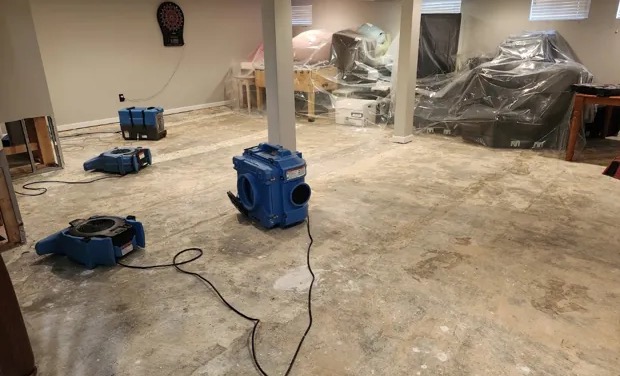
Smoke Damage Assessment Services Available in Baltimore
Smoke and soot from a fire in Baltimore leave damage that goes beyond visible stains. Odors linger in upholstery, ducts and wall cavities, so an accurate assessment is the first step toward removing them.
Homes in Baltimore and nearby areas like Baltimore Highlands, Lansdowne and Brooklyn Park often need a detailed assessment after smoke damage. Local smoke damage pros evaluate soot on contents, the structure and air quality, including odor sources and HVAC systems, to plan a full recovery.
Detailed Smoke Damage Assessment Process in Baltimore, MD
HVAC System Smoke Contamination Check
The HVAC system is checked early so it does not blow soot or odor back into cleaned rooms in Baltimore.
Smoke Residue Testing
Whether residue is acidic, alkaline or oily decides how walls, ceilings and contents are cleaned and deodorized.
Smoke Residue Analysis
Analysis shows the chemical makeup of soot so the pros can choose cleaners that will not cause further damage, and the results support your claim.
Soot Damage Assessment for Contents
Pros check furniture, electronics and other belongings for soot and sort them by residue type and material.
Emergency Smoke Damage Tarping
Securing openings is a standard first step of the 24/7 response to fires in Baltimore.
When to Schedule a Smoke Damage Assessment for Your Home
Ash Residue on Furniture and Fixtures
A fine ash layer or sticky film on furniture and fixtures means smoke particles have settled on them.
Condensation of Soot on Cool Surfaces
Soot on mirrors, windows or tile shows smoke particles condensed on cooler surfaces.
Discolored or Dulled Paint and Varnish
Paint or finishes that look yellowed or dulled are often damaged by acidic soot.
Persistent Smoke Odors After Airing
A smoky smell that comes back after airing out the house means residue is embedded in surfaces.
How Smoke Damage Assessment Works in Baltimore
Step 1: Initial Site Safety and Containment
Pros make sure the site is safe and contain smoke-affected zones to prevent cross-contamination.
Step 2: Comprehensive Smoke Damage Mapping
Every room is inspected to map where residue removal and odor treatment are needed.
Step 3: Content Inventory and Categorization
Contents are listed and sorted by soot level to plan the work and support your claim.
Step 4: Detailed Assessment Report Generation
Findings go into a detailed report with photos that sets the scope of cleanup.
Primary Sources of Soot Contamination and Assessment
Pressure Changes During the Fire
Pressure changes during a fire push smoke into closed cabinets, drawers and wall cavities.
Improper Post-Fire Ventilation
Poor ventilation after a fire lets residue settle and bond more firmly to surfaces.
Synthetic Material Combustion
Burning plastics, vinyl or foam releases acidic soot that can etch and stain surfaces.
HVAC System Recirculating Soot
A running HVAC system can spread smoke and soot through every room of the house.
Complete Smoke Damage Assessment for All Properties in Baltimore
Residential Smoke Damage Assessment
At home, pros check personal items and heirlooms for soot and odor and test HVAC systems and spaces behind baseboards.
Commercial Smoke Damage Assessment
Restaurant kitchens face grease-fire smoke, so pros check hoods, appliances and food surfaces to plan cleanup that meets health codes.
Calling Local Pros for Your Smoke Damage Assessment in Baltimore
You can vacuum loose soot from upholstery and carpet with a HEPA vacuum and change the HVAC filter right away. For odor in drywall or wood, call the pros, since the wrong cleaning can set stains.
What Affects Smoke Damage Assessment Pricing in Baltimore
The cost of an assessment in Baltimore depends on how far damage spread and how large the area is. Widespread soot usually needs a more detailed evaluation.
HVAC System Contamination
Checking ductwork and components for soot is detailed work that adds cost.
Emergency Measures
Emergency tarping done before the assessment is part of the overall cost.
Surface Types
Delicate surfaces like stone or fine wood need special inspection methods and care.
Does Insurance Cover Smoke Damage Assessment?
Whether your policy covers an assessment depends on the cause of the fire and your limits. The pros in Baltimore provide reports for the adjuster, so confirm what cleanup is included.
Advantages of Hiring Local Pros in Baltimore for Smoke Damage Assessment
Detailed Reporting
You receive a clear, itemized report that guides the cleanup that follows.
Advanced Odor Detection
Specialized tools find the source of lasting smoke smells so treatment targets it.
Around-the-Clock Initiation
An assessment from the pros help prevent more damage while cleanup is planned.
24/7 Emergency Smoke Damage Assessment in Baltimore
Openings left by a fire may need tarping right away. Call (410) 237-0394 for the pros in Baltimore who can secure the house and assess it.
Call Now (410) 237-0394Smoke Damage Assessment Near Baltimore: Areas Served
Contents assessment and air testing after a fire are available in Baltimore, Baltimore Highlands, Lansdowne and Brooklyn Park from the pros.
Frequently Asked Questions About Smoke Damage Assessment
Does assessment include post-fire surface damage evaluation?
Yes. Walls, counters and floors are checked for etching, discoloration and residue that need cleaning or repair.
What is soot damage assessment for contents?
It checks your belongings for soot to decide which items can be cleaned and which need other attention.
Can smoke damage affect my HVAC system?
Yes. Smoke circulates through ducts, so checking the HVAC system is a standard part of a thorough assessment.
How does emergency smoke damage tarping help?
Tarping secures the house against weather after a fire, giving a safe, controlled space for the assessment.
What does a smoke damage assessment involve?
A visual inspection, residue testing, structural inspection and often air testing to document all soot and odor damage.