Columbia, MD · Howard County
Temperature-Controlled Drying in Columbia, MDRapid Structural Drying Services & Moisture Mapping
Temperature-Controlled Drying in Columbia includes moisture mapping, rapid structural drying services and water damage drying logs from local drying equipment pros.
Answered 24/7
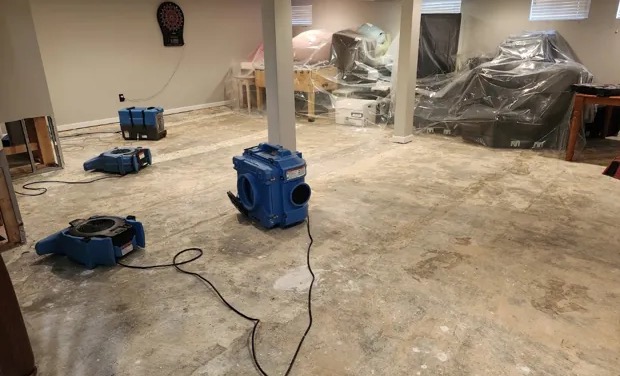
Professional Temperature-Controlled Drying in Columbia, MD
In Columbia, slow or uneven drying lets wood rot and drywall soften, which adds cost and keeps you out of your home longer.
In Columbia and nearby North Laurel, Ilchester and Ellicott City, local pros take baseline moisture readings, then run air movers and dehumidifiers and log moisture levels as they drop.
Specialized Temperature-Controlled Drying Offerings in Columbia, MD
Rapid Structural Drying Services
The pros aim air movers at wet studs, joists and subfloors to dry the structure safely.
Moisture Mapping
Systematic testing identifies moisture content percentages in all building materials. The experts compare readings to known dry standards.
Water Damage Drying Logs
The pros compile drying logs with moisture maps, photos, and readings. This report documents the system's performance and the materials' response, demonstrating a professional approach.
Air Mover Placement for Drying
The pros angle and space air movers in each room in Columbia so air flows evenly across every wet surface.
Drying Equipment Deployment
The pros choose the mix of air movers, dehumidifiers and heaters from the size of the area, the materials and the moisture levels, then set it up to run safely.
Warning Signs Requiring Temperature-Controlled Drying in Columbia
Condensation on Windows or Surfaces
Excess humidity causes water droplets to form on cold surfaces. This condensation confirms the indoor air has too much moisture.
Warping of Wood Floors or Trim
Floorboards begin to cup, buckle, or separate at the seams. This warping is a direct result of excessive, uneven moisture content.
Moisture Meter Shows High Readings
A moisture meter reading high inside walls or floors means drying is not finished.
Damp Odors Persisting After Water
A musty smell lingers even after visible water is gone, indicating hidden moisture. That odor often signals mold or trapped dampness.
How Temperature-Controlled Drying Works in Columbia
Step 1: Assessment and Moisture Detection
The pros perform a thorough assessment using thermal imaging and moisture meters. This identifies the full extent of damage, guiding the drying plan.
Step 2: Containment and Airflow Strategy
Plastic barriers close off the wet area so humidity can be controlled, and air movers are placed to move air across wet materials.
Step 3: Thermal Drying System Activation
Specialized thermal drying equipment is activated to gently raise the air temperature in the space.
Step 4: Verification and Structural Drying Completion
Readings are compared with dry areas of the building to confirm drying is complete.
Sources of Water Intrusion Needing Moisture Removal in Columbia
Roof Leak During Heavy Rain
Wind-driven rain through a damaged roof or flashing can run down inside wall cavities, where it needs targeted drying.
Storm-Driven Water Intrusion
Heavy rain overflows gutters or gets in around windows and soaks framing and insulation.
Overflowing Sinks or Bathtubs
A simple blockage or forgetfulness leads to an overflow event. Water spreads quickly, soaking cabinetry and flooring, and requires thorough drying equipment deployment.
Poor Ventilation After a Flood
Closing up a wet room traps humid air, which slows drying and lets moisture soak further into materials.
Whole-Property Temperature-Controlled Drying in Columbia
Residential Temperature-Controlled Drying
Residential restoration focuses on saving personal items and preventing long-term odors in living areas and bedrooms. The specialists employ thermal drying for water damage to gently yet effectively dry contents and building materials.
Commercial Temperature-Controlled Drying
In commercial settings, uncontrolled humidity can damage sensitive electronics, documents, and finished goods. The pros implement humidity control for restoration to create optimal drying conditions for diverse materials.
When to Hire Drying Equipment Pros for Temperature-Controlled Drying in Columbia
After the water is removed, wipe hard surfaces like tile or sealed wood with a disinfectant, and shut off the water source if it is still leaking.
Factors in Temperature-Controlled Drying Pricing for Columbia, MD
In Columbia, cost depends on how complex the moisture mapping is and how much equipment the area needs.
Humidity Control Measures
Controlling humidity in tight spaces often takes specialized drying equipment and frequent adjustments.
Documentation Requirements
Detailed drying logs and moisture reports for insurance take extra time to prepare.
Moisture Mapping Complexity
Checking moisture in layered floors or hidden cavities takes more time and equipment.
Does Insurance Cover Temperature-Controlled Drying?
Whether insurance pays for thermal drying for water damage depends on your policy's specific language and the cause of loss. The pros meticulously record moisture levels and drying progress to create a verifiable log for your adjuster.
The Value of Local Pros for Temperature-Controlled Drying in Columbia, MD
24/7 Emergency Response
Quick action is critical to limit secondary damage, and local pros are available around the clock to begin the drying process.
Advanced Moisture Mapping
Moisture meters and thermal cameras find hidden wet pockets so every affected material is dried.
Ongoing Moisture Monitoring
Regular checks with moisture meters verify that drying goals are met, helping ensure no residual dampness remains within walls or floors.
24/7 Emergency Temperature-Controlled Drying in Columbia
Don't let moisture settle in. For emergency deployment of drying equipment and strategic air mover placement to start controlled drying, reach the pros directly at (410) 237-0394, available 24/7.
Call Now (410) 237-0394Local Temperature-Controlled Drying Coverage for Columbia, North Laurel, Ilchester and Ellicott City
Temperature-controlled drying is available for homes in Columbia and nearby places like North Laurel, Ilchester and Ellicott City.
- Temperature-Controlled Drying in North Laurel
- Temperature-Controlled Drying in Ilchester
- Temperature-Controlled Drying in Ellicott City
- Temperature-Controlled Drying in Elkridge
- Temperature-Controlled Drying in Laurel
- Temperature-Controlled Drying in Maryland City
- Temperature-Controlled Drying in Catonsville
- Temperature-Controlled Drying in Arbutus
- Emergency Damage Restoration in 21044
- Storm Damage Restoration in 21044
- Water Damage Restoration in 21044
- Water Extraction Service in 21044
- Water Leak Detection in 21044
- Water Removal Service in 21044
- Emergency Damage Restoration in 21045
- Storm Damage Restoration in 21045
Frequently Asked Questions About Temperature-Controlled Drying
How is drying progress verified during moisture monitoring?
Progress is verified by taking comparative moisture readings with penetrating and non-penetrating meters over time, ensuring levels drop to established dry standards for each material.
What happens if hidden moisture is not found during mapping?
Undetected moisture can lead to ongoing deterioration, odor issues, and mold growth inside walls or under floors, underscoring the critical need for thorough initial assessment.
What materials benefit most from controlled drying systems?
Porous structural materials like drywall, wood framing, and concrete, as well as contents like documents and furniture, benefit greatly from controlled, gradual drying to prevent ruin.
What are water damage drying logs used for?
Drying logs are detailed records of moisture readings, equipment settings, and progress; they provide documentation for the restoration process and are often required for insurance claims.
How long does the temperature-controlled drying process take?
It depends on the damage, the materials and the conditions. Pros monitor readings and stop when moisture goals are met.