Laurel, MD · Prince George's County
Temperature-Controlled Drying in Laurel, MDRapid Structural Drying Services & Thermal Drying For Water Damage
In Laurel, Temperature-Controlled Drying from local moisture control experts includes rapid structural drying services, drying equipment deployment, and water damage drying logs for documented recovery.
Answered 24/7
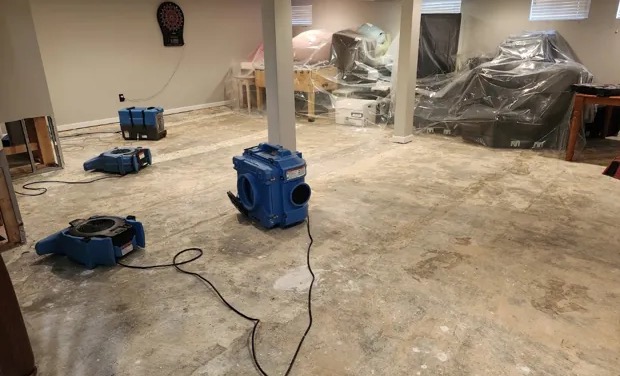
Targeted Temperature-Controlled Drying for Properties in Laurel
In Laurel, structural drying aims to bring materials back to their normal moisture level. Low humidity in the drying area helps pull moisture out of dense materials.
In Laurel and nearby North Laurel, Maryland City and Beltsville, fast structural drying stops mold before it starts. Local pros map moisture, then use LGR dehumidifiers and planned air mover placement until readings are normal.
Advanced Temperature-Controlled Drying Techniques in Laurel
Rapid Structural Drying Services
Rapid drying mitigates risk of long-term weaknesses or rot in wooden structures. The experts use specialized techniques like injecting dry air into wall cavities.
Thermal Drying for Water Damage
The experts raise the room temperature in a controlled way to drive moisture out of dense materials like concrete slabs and beams, watching readings the whole time.
Air Mover Placement for Drying
Expert deployment of air movers displaces the saturated air layer clinging to wet materials. Proper placement helps ensure every surface receives directed airflow, the engine of evaporation.
Moisture Mapping
The experts take moisture readings at many points and depths to map every wet area and set drying goals, so nothing is missed.
Humidity Control for Restoration
The experts size dehumidifiers from the moisture map, then pair them with air movers to carry moisture away from materials.
Symptoms Needing Temperature-Controlled Drying in Laurel
Discoloration on Drywall or Ceilings
Yellow or brown water stains appear on surfaces that seem dry. These stains suggest moisture is still present inside the wall cavity.
Visible Mold Growth in Corners
Black, green or white specks in damp corners or on baseboards are usually mold, which means moisture has been there a while.
Paint Peeling or Bubbling Up
Paint loses adhesion and forms bubbles or peels away from the wall. This failure is caused by moisture trapped beneath the paint film.
High Humidity Readings Inside
A hygrometer showing unusually high indoor humidity after water damage means the building is still wet.
How Temperature-Controlled Drying Works in Laurel
Step 1: Initial Moisture Survey and Readings
Pros take baseline moisture readings across the property to plan the drying.
Step 2: Precision Air Mover Placement
Air movers are placed at set angles and distances to target specific wet materials.
Step 3: Deployment of Drying Systems
Dehumidifiers are sized to the moisture load and the size of the space.
Step 4: Ongoing Monitoring and Adjustment
Equipment is moved and adjusted as materials dry, so drying keeps moving.
Common Causes Requiring Structural Drying in Laurel
HVAC System Condensation Issues
A clogged condensate drain line causes an overflow inside the air handler. This water can soak insulation and ductwork, creating a hidden moisture issue.
Storm-Driven Water Intrusion
Heavy rain overflows gutters or gets in around windows and soaks framing and insulation.
Undetected Plumbing Leaks
A slow drip behind a wall or under a slab saturates materials over time.
Overflowing Sinks or Bathtubs
A simple blockage or forgetfulness leads to an overflow event. Water spreads quickly, soaking cabinetry and flooring, and requires thorough drying equipment deployment.
Whole-Property Temperature-Controlled Drying in Laurel
Residential Temperature-Controlled Drying
In condos and apartments, containment barriers and negative air machines keep moisture from moving into neighboring units while drying runs.
Commercial Temperature-Controlled Drying
Restaurants and food service businesses need rapid, sanitary drying to comply with health regulations after a water event. The pros use specialized equipment and antimicrobial treatments during the drying process.
When to Hire Moisture Control Experts for Temperature-Controlled Drying in Laurel
Ventilating the area by opening windows can help if outdoor humidity is lower than indoors, but this is rarely controlled or sufficient. You can create a list of damaged items for a potential insurance claim.
Investing in Professional Temperature-Controlled Drying in Laurel
In Laurel, the main price factors are how long drying takes and which equipment, such as heaters or desiccants, is used.
Access and Logistics
Challenging site access in Laurel can complicate equipment deployment and placement, potentially increasing setup time and labor requirements.
Drying Time Required
Longer drying periods for climate-controlled systems mean more equipment runtime and monitoring, impacting the overall cost of the restoration project.
Documentation Requirements
Detailed drying logs and moisture reports for insurance take extra time to prepare.
Does Insurance Cover Temperature-Controlled Drying?
Insurance may help pay for drying if the cause is a covered loss. Pros provide moisture maps and equipment records for your insurer, which makes the coverage decision.
Why Choose Local Experts for Temperature-Controlled Drying in Laurel
Advanced Moisture Mapping
Moisture meters and thermal cameras find hidden wet pockets so every affected material is dried.
Ongoing Moisture Monitoring
Regular checks with moisture meters verify that drying goals are met, helping ensure no residual dampness remains within walls or floors.
Comprehensive Drying Logs
Detailed, chronological logs of moisture readings and equipment settings provide a transparent record of the entire temperature-controlled drying process.
24/7 Temperature-Controlled Drying for Emergencies in Laurel
For temperature-controlled drying after a leak or flood, call (410) 237-0394 any time. Local pros can then start drying the structure.
Call Now (410) 237-0394Temperature-Controlled Drying for Laurel and Surrounding Regions
Temperature-controlled drying is available for homes in Laurel and nearby places like North Laurel, Maryland City and Beltsville.
- Temperature-Controlled Drying in North Laurel
- Temperature-Controlled Drying in Maryland City
- Temperature-Controlled Drying in Beltsville
- Temperature-Controlled Drying in Greenbelt
- Temperature-Controlled Drying in Columbia
- Temperature-Controlled Drying in Odenton
- Temperature-Controlled Drying in Seabrook
- Temperature-Controlled Drying in Severn
- Emergency Damage Restoration in 20707
- Storm Damage Restoration in 20707
- Water Damage Restoration in 20707
- Water Extraction Service in 20707
- Water Leak Detection in 20707
- Water Removal Service in 20707
- Emergency Damage Restoration in 20708
- Storm Damage Restoration in 20708
Common Temperature-Controlled Drying Questions Answered
What is temperature-controlled drying?
It is a drying method that controls heat and humidity together to remove moisture from building materials and contents safely and quickly.
What is the strategy behind air mover placement?
They are angled to move air across wet surfaces in a pattern, so moisture evaporates into the air where dehumidifiers can capture it.
What is the difference between air movers and dehumidifiers?
Air movers evaporate moisture from surfaces into the air, and dehumidifiers pull it back out of the air.
Is temperature-controlled drying safe for electronics or artwork?
Yes, when the pros use low heat and careful humidity control, it can be safe for drying sensitive materials and belongings.
How long does the temperature-controlled drying process take?
It depends on the damage, the materials and the conditions. Pros monitor readings and stop when moisture goals are met.