North Laurel, MD · Howard County
Temperature-Controlled Drying in North Laurel, MDRapid Structural Drying Services & Humidity Control For Restoration
Temperature-Controlled Drying in North Laurel includes thermal drying for water damage, rapid structural drying services, and humidity control for restoration managed by local moisture control experts.
Answered 24/7
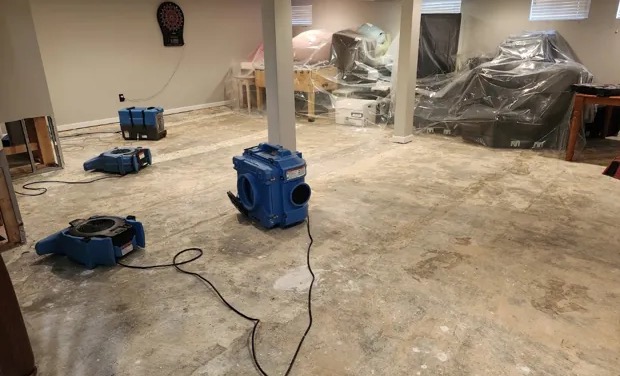
Local Temperature-Controlled Drying Solutions for North Laurel Homes
In North Laurel, water trapped in subfloors, wall cavities or behind cabinets dries slowly because the air there does not move.
In North Laurel and nearby Laurel, Maryland City and Columbia, local pros take baseline moisture readings, then run air movers and dehumidifiers and log moisture levels as they drop.
Specialized Temperature-Controlled Drying Offerings in North Laurel, MD
Rapid Structural Drying Services
Fast structural drying uses high-velocity air movers, industrial dehumidifiers and sometimes heat, so families in North Laurel can return home sooner and mold does not start.
Humidity Control for Restoration
Dehumidifiers lower the dew point in the affected area, so materials give up their moisture more easily.
Water Damage Drying Logs
Key data like psychrometric readings and material moisture content are meticulously recorded. These logs show a clear trend toward dryness, confirming the job's success.
Moisture Mapping
The experts take moisture readings at many points and depths to map every wet area and set drying goals, so nothing is missed.
Climate-Controlled Drying Systems
The experts set up systems that control temperature, humidity and airflow together, adjusting them as moisture readings change.
When to Call for Temperature-Controlled Drying in North Laurel, MD
Damp Odors Persisting After Water
A musty smell lingers even after visible water is gone, indicating hidden moisture. That odor often signals mold or trapped dampness.
High Humidity Readings Inside
A hygrometer showing unusually high indoor humidity after water damage means the building is still wet.
Equipment Running With No Result
Fans or dehumidifiers that run for days without drying the area mean the moisture is deeper than household equipment can reach.
Cracking of Plaster or Joints
Plaster or drywall joint tape develops new cracks or fissures. These cracks occur as wet materials swell and then contract during drying.
How Temperature-Controlled Drying Works in North Laurel
Step 1: Initial Moisture Survey and Readings
Pros take baseline moisture readings across the property to plan the drying.
Step 2: Precision Air Mover Placement
Air movers are placed at set angles and distances to target specific wet materials.
Step 3: Deployment of Drying Systems
Dehumidifiers are sized to the moisture load and the size of the space.
Step 4: Ongoing Monitoring and Adjustment
Equipment is moved and adjusted as materials dry, so drying keeps moving.
Sources of Water Intrusion Needing Moisture Removal in North Laurel
Roof Leak During Heavy Rain
Wind-driven rain through a damaged roof or flashing can run down inside wall cavities, where it needs targeted drying.
Appliance Malfunction or Overflow
A failed washing machine hose, water heater or dishwasher can release many gallons onto the floor.
HVAC System Condensation Issues
A clogged condensate drain line causes an overflow inside the air handler. This water can soak insulation and ductwork, creating a hidden moisture issue.
Undetected Plumbing Leaks
A slow drip behind a wall or under a slab saturates materials over time.
Residential & Commercial Temperature-Controlled Drying in North Laurel
Residential Temperature-Controlled Drying
At home, moisture hides in attics, crawl spaces and behind finished walls. Pros map it before setting up equipment so the whole house dries.
Commercial Temperature-Controlled Drying
In offices, schools and clinics, pros use quieter drying equipment that can run in occupied spaces, and document when drying is complete.
When to Hire Moisture Control Experts for Temperature-Controlled Drying in North Laurel
For a small, recent water spill, use towels to blot surface water and improve air circulation with fans. If water soaks into porous materials like drywall or carpet padding, contact the experts.
Understanding Temperature-Controlled Drying Cost in North Laurel
In North Laurel, the main price factors are how long drying takes and which equipment, such as heaters or desiccants, is used.
Humidity Control Measures
Controlling humidity in tight spaces often takes specialized drying equipment and frequent adjustments.
Drying Time Required
Longer drying periods for climate-controlled systems mean more equipment runtime and monitoring, impacting the overall cost of the restoration project.
Documentation Requirements
Detailed drying logs and moisture reports for insurance take extra time to prepare.
Does Insurance Cover Temperature-Controlled Drying?
Whether insurance pays for thermal drying for water damage depends on your policy's specific language and the cause of loss. The pros meticulously record moisture levels and drying progress to create a verifiable log for your adjuster.
Why Choose Local Experts for Temperature-Controlled Drying in North Laurel
Advanced Moisture Mapping
Moisture meters and thermal cameras find hidden wet pockets so every affected material is dried.
Structural Drying
The focus is on quickly extracting moisture from structural components to minimize warping, swelling, or the potential for mold growth.
Ongoing Moisture Monitoring
Regular checks with moisture meters verify that drying goals are met, helping ensure no residual dampness remains within walls or floors.
Emergency Moisture Control in North Laurel
For temperature-controlled drying after a leak or flood, call (410) 237-0394 any time. Local pros can then start drying the structure.
Call Now (410) 237-0394Temperature-Controlled Drying Near North Laurel: Communities Served
Climate-controlled and thermal drying are available in North Laurel and surrounding places including Laurel, Maryland City and Columbia.
- Temperature-Controlled Drying in Laurel
- Temperature-Controlled Drying in Maryland City
- Temperature-Controlled Drying in Columbia
- Temperature-Controlled Drying in Elkridge
- Temperature-Controlled Drying in Ilchester
- Temperature-Controlled Drying in Beltsville
- Temperature-Controlled Drying in Severn
- Temperature-Controlled Drying in Odenton
Common Temperature-Controlled Drying Questions Answered
What happens if hidden moisture is not found during mapping?
Undetected moisture can lead to ongoing deterioration, odor issues, and mold growth inside walls or under floors, underscoring the critical need for thorough initial assessment.
What does drying equipment deployment involve?
Pros assess the loss, calculate how much equipment is needed and place air movers, dehumidifiers and sometimes heaters.
What is the difference between air movers and dehumidifiers?
Air movers evaporate moisture from surfaces into the air, and dehumidifiers pull it back out of the air.
What should a property owner do while waiting for help with drying?
If safe, remove obvious standing water with a mop or towels, move dry contents away from the wet area, and avoid using household fans which can spread contaminants.
Why is moisture mapping important for drying?
Sensors measure moisture across the affected area to show exactly where it is wet, so equipment is aimed at the right spots.